Understanding Puppy Growth Stages & First-Year Milestones
January 14, 2024
In this article, we delve into the fascinating journey of canine life right from their birth up until the end of their first year. From neonatal and transitional stages to socialization and adolescence, each period in a puppy’s life is unique and full of important milestones. We will discuss the physical and behavioral changes puppies undergo in each phase, the importance of training and socialization, and the common health concerns one needs to be vigilant for during their first year. Nutritional requirements, vaccination schedules, and general care guidelines essential for the healthy growth of a puppy will also be discussed.

Birth to 8 weeks: The Neonatal and Transitional Stages
Understanding the early development stages of puppies is critical to their growth. The first two stages that fall within the first 8 weeks from birth are the Neonatal and Transitional stages. It is in these stages that key puppy milestones are achieved, setting a foundation for the developmental milestones for your puppy in the first year.
The importance of mom during the neonatal stage
In the neonatal stage, the role of the mother dog, also known as the dam, is paramount. During this phase, newborn puppies are largely reliant on her for sustenance and warmth. The mother’s milk provides nutrition and antibodies, which are essential for countering an underdeveloped immune system in puppies. This is particularly important when considering that newborn puppies can’t thermoregulate – hence, closely snuggling up with their mom and litter mates is a key survival tool. Competent pet parenting tips also suggest that the mother’s presence aids in the development of initial social skills and begins to establish behavioral norms within the pack.


Physical and Behavioral changes in the transitional stage
By the time puppies reach the transitional stage, around the 2 to 4-week mark, they begin to display noticeable physical and behavioral changes. This includes the opening of their eyes and ears, which encourages exploration of their surroundings. As part of this puppy development stage, they will start crawling, standing, and eventually walking.


Weaning from the mother’s milk begins within this stage too. The shift from puppy milk replacer to solid food is gradual and should be carefully managed. Also, initial social attempts with litter mates in terms of playful interactions can be observed – marking the premature stages of their socialization period.
Common Health Concerns for Puppies at these Stages
Puppies at these stages are vulnerable to multiple health issues. For instance, they can easily fall victim to hypothermia due to their inability to regulate their body temperature. Additionally, they can suffer from feeding-related issues like malnourishment if the mother’s milk production is insufficient. Deworming becomes crucial at this stage too, as puppies are prone to intestinal parasites. Therefore, it is essential to maintain regular health checks and vaccinations as guided by a trusted veterinarian.
8 weeks to 3 months: The Socialization Stage
The socialization stage defines the next phase in your puppy’s growth journey, spanning from 8 weeks to 3 months of age. This period is critical in shaping a puppy’s personality and behavior towards other dogs, humans, and general experiences like seeing bicycles and people on walking trails, getting in and out of cars, and things like umbrellas and loud noises.
“Intentionally creating opportunities for the puppy to experience noises, scents, sights, other dogs (not a dog park), and people in a controlled environment is a great way to give your pup healthy socialization. If their first reaction is fear, you will want to help them overcome that with encouragement from you. We like to go to the pet toy section at Tractor Supply or Pet Smart and find the toy that the puppy likes best and purchase that as a reward. The automated doors, sounds and thresholds can be positive challenging experiences. Frequent rides in the car with littermates and mama help to reduce puppy car sickness and provide stimulating new experiences. We also encourage our new puppy buyers to take puppy obedience training classes offered locally which teach you and your puppy how to interact more effectively”. (Explain breeders Patty and Peter at Doodle Patch Farm )


The crucial role of early socialization in the development
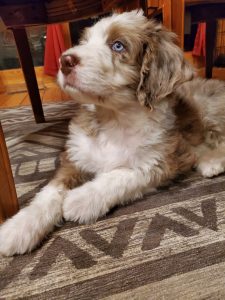
Early socialization shapes the foundation of how your puppy will interact with the world around it. Positive experiences with different people, animals, and environments help prevent fear and anxiety, encourageing social skills and confidence. Puppy training classes can offer guided socialization opportunities. On the other hand, unsocialized puppies could display fear or aggression towards unfamiliar individuals or situations during the fear period, which usually begins at 8 weeks.
” Early Scent Introduction and Early Neurological Stimulation begins when the pups are only a few days old. Through a series of exercises, we can observe the sniff behavior regarding specific scents. Each puppy’s behavior is noted. This is especially important for dogs that may be used as medical alert service dogs. We introduce the puppies to new sights and sounds starting at three weeks. We place various objects in the whelping pen for the puppies to explore. The pups are also exposed to various textures under their feet, and when they’re walking confidently, they’re introduced to stairs and encouraged to walk across any threshold. We also find that potty training and crate training can begin in the 3-8 week period. As breeders, we do not want to skip this important learning time. We capitalize on the fact that puppies have a natural instinct to not soil the place where they eat and sleep. By introducing potty trays prior to learning to go outside, puppies learn quickly that there is an appropriate place to potty. Several of our clients have reported that their Doodle Patch pup was easy to potty train and there were very few accidents. Our goal is to help every Doodle Patch pup to be balanced, well socialized, stable, healthy, and well structured. We want the transition from our home to a new family to be an easy one with little stress for the pups and their families.” (Breeders Patty and Peter at Doodle Patch Farm explain –DoodlePatchFarm.com)
Selected Important Milestones in this Stage
This stage is characterized by several key milestones. These include:
- The development of ‘baby teeth’ and a transition to dry puppy food from puppy milk replacer.
- A steady control over elimination. This is an opportune time to begin potty training. However, expect several accidents and always approach it with positive reinforcement techniques.
- Your puppy’s first vaccinations should take place within this stage, supported by regular vet checkups.
Observing and guiding your puppy through these milestones aids in monitoring their developmental progress whilst laying essential groundwork for their imminent adolescence period.
Common Behavior issues & Training tips
At this stage, puppies are typically hyperactive and inquisitive, which occasionally results in unwanted behaviors, such as biting and excessive barking. Using a chew toy can redirect their biting habit during teething, reducing the risk of damage to household items and people.
“We like to have a bucket or basket of a few toys including the heavy duty toys that can be chewed on without disintegrating, and we offer these whenever our puppies are chewing something we don’t want them to. Puppies love Bully Sticks and with supervision, they can enjoy a Bully Stick after play. A “Flirt Pole” (a long pole with attached toys) is a helpful tool to use with puppies that continue to grab hands and chew fingers. If only a few toys are available at a time, the toys remain novel and this extends the life of the toy.” (Breeders Patty and Peter at Doodle Patch Farm explain – DoodlePatchFarm.com
When addressing common behavioral issues in this period, pet parents should resort to positive reinforcement rather than punishment. Furthermore, positive training with rewards encourages good behavior, promoting a smoother transition to the adolescent stage for both puppies and pet parents.


3 months to 6 months: The Juvenile Stage and Teething
With the advancement of your puppy’s growth, they will enter the Juvenile Stage lasting from 3 to 6 months. This period sees a notch-up in their physical growth as well as behavioral development. A significant hallmark is the eruption of permanent adult teeth, which leads to a teething phase in puppies.
Understanding the Juvenile Stage
During the juvenile stage, the developmental milestones for your puppy in the first year become highly noticeable. Your puppy becomes more energetic, curious, and active. Their learning capacity increases and it’s the ideal period for positive training. Your puppy at this age will start challenging their surroundings and may become defiant by testing boundaries. This exploratory behavior often complements their sharpened social skills, learned both from their litter mates and their human family.
However, upsides of the juvenile stage may spawn certain negatives. The youthful energy could sometimes translate into destructive behaviors such as chewing on furniture or shoes, jumping, and digging. It is therefore essential to know how to manage it sensibly and guide your puppy towards positive activities.
Teeth Development and Teething in Puppies
During the juvenile phase, teething begins as your puppy’s baby teeth start making way for permanent ones. Your lovable furry friend will have about 42 adult teeth by the end of this stage. You may notice that your puppy is chewing more often, and this is a natural response to the discomfort of teething.
Puppies need safe chew toys during this period to foster their natural inclination to chew, which eases their teething discomfort. Consider providing cooling chew toys, as they can offer soothing relief. Notice any teeth that seem to have trouble erupting; if a baby tooth doesn’t fall out naturally to let the adult one grow, your pup might require a vet’s assistance.
The juvenile period is a prime time for training your puppy. Implementing a diverse regimen teaches them basic commands, strengthens their obedience, and further enhances their socialization skills. Start with familiarizing them with the leash, gradually introducing commands, and positive reinforcement like praises or treats to encourage good behavior.
Key puppy milestones to maintain a healthy state during the juvenile phase include:
- Regular veterinary check-ups
- Proper nutrition with high-quality puppy food
- Implementing structured play and exercise routine
- Dental health monitoring due to teething
- Continuing with the vaccination schedule
6 months to 1 year: Adolescence and Maturity
Turning six months old represents crossing the threshold into adolescence for your puppy, where they transition into adulthood, which extends from 1 year up to 2 years depending on the breed dogs. The adolescence stage is characterized by your puppy reaching sexual maturity and marking the end of their rapid growth.

Puppy’s Transition into Adulthood
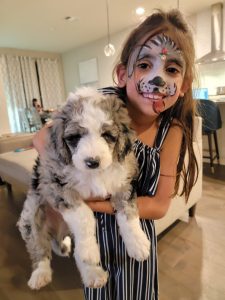
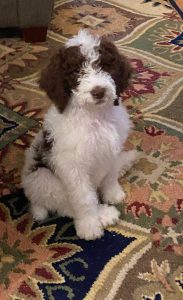
This period is akin to the teenage phase in humans where hormonal changes impact behavior. For instance, an adolescent dog might exhibit increased independence, with occasional stubbornness or disobedience. Small breeds generally complete their physical growth around this time while larger breeds continue to grow until they are 1.5 to 2 years old.
The puppy’s underdeveloped immune system now becomes more robust and capable of warding off diseases. Now your pet parents’ role of fostering your puppy towards responsible adulthood becomes even more critical.
Behavioral Changes during this Stage and How to Manage Them
During adolescence, it’s not uncommon for your dog to regress in their training or act out. This is because the puppy is at a fear period, where unknown situations might scare them. Despite the natural instinct to protect your pup, it’s crucial not to coddle or over-protect them from these harmless unfamiliarities. Such experiences are opportunities for your dog’s growth and development.
Continuation of positive reinforcement, consistency in your commands, and patient handling help manage these changes. Training classes offered by professional institutions like Regina Humane Society can be instrumental in helping manage this phase.
“We call this the ‘Tyrannosaurus Rex or Baby Shark’ stage. It’s important to know what your training protocol will be when this stage starts. Adolescence in puppies is similar to adolescence in people. Your puppy will be. . . obnoxious at times! This is when puppies become very aggravating. Supervision is a must if you value your property. While we have learned to be entertained by their antics and have learned to predict certain annoying behaviors, new puppy owners can become frustrated. One of the greatest mistakes new puppy parents make is giving their puppy too much freedom. Using a crate and keeping their space in your home confined with baby gates or barricades is important for the first year. We encourage our puppy families to call us so that we can offer some resources before puppy behaviors escalate to a point that is disruptive to a family.” (Said Peter & Patty at Doodle Patch Farm).
Health and Vaccination Milestones to Reach in the First Year
By the time your puppy is 1 year old, they should have completed their puppy vaccinations. Core vaccines include distemper, adenovirus, parvovirus, and rabies. Some of the trusted pet insurance companies like Bow Wow Meow can come in handy in managing vet expenses.
Regular vet visits, flea and tick treatments, heartworm preventatives, and maintaining a balanced diet with the right puppy milk replacer should continue. Always consult your vet for any pet parenting tips and discuss when to switch from puppy food to adult food, typically done at the end of this growth stage. Spay and Neuter options also need to be considered when your pup is a year old.
General Care Guidelines for First-Year Puppies
Welcoming a puppy into your home is an exciting time, but it’s also a period of enormous growth and change for your little companion. As a pet parent, understanding the developmental milestones for your puppy in the first year is crucial to ensure its well-being and optimal growth. From the right nutrition to regular health checks, you have a significant role to play in your puppy’s first year of life.
Nutritional requirements for optimum growth
Proper nutrition isn’t just about choosing the right puppy food; it’s also about understanding your puppy’s specific nutritional requirements at each puppy development stages. During the first year, your puppy will grow rapidly, making it essential to provide a diet rich in high-quality protein, fats, carbohydrates, vitamins, and minerals.
- Protein: Protein plays a crucial role in building and repairing muscles and tissues. Whether it’s chicken, beef, fish, or lamb, ensure that the ingredients list of your puppy food starts with a source of animal protein.
- Fats : Fats are an excellent energy source for your puppy. They also promote a healthy coat and skin. Look for foods containing sources of good fats such as omega-3 and omega-6 fatty acids.
- Carbohydrates: Carbs provide your puppy with the energy needed for growth and play. Brown rice, sweet potatoes, and oats are all good sources of complex carbohydrates.
- Vitamins and Minerals: These are crucial for your puppy’s bone development, vision, immune system, and overall health. Of special note is calcium, crucial for building strong bones and teeth.
Puppy milk replacer can be used for newborn puppies who are not nursing, but under normal circumstances, solid food should be introduced around four weeks of age. The specific quantity and feeding schedule will depend on the breed and size of your puppy. Smaller breeds tend to have a faster metabolism and may require more frequent meals, while larger breeds may benefit from controlled feeding to prevent rapid growth that can lead to skeletal issues.
Importance of regular health checks and vaccinations
Ensuring your puppy’s health involves more than just feeding them the right food. Regular health checks are vital in the first year of your puppy’s life as they can help catch any potential health issues early. Puppies have an underdeveloped immune system during this period of their life which means they are more vulnerable to diseases.
Scheduling your puppy’s first vet visit should be a priority. At this first check-up, your vet will perform a physical exam, check for parasites, and initiate your puppy’s vaccination schedule. Core vaccines for puppies typically include Parvovirus, Distemper, Hepatitis, and Rabies. These vaccines are considered core because they protect against diseases that are serious or potentially deadly, and are prevalent in most areas.
Beyond the first visit, puppies should have regular check-ups every 3-4 weeks until about 16 weeks of age. After that, annual check-ups are generally recommended, and depending on the vaccinations received and local regulations, your vet may advise a different schedule.
The effort in the first year of your puppy’s life is worth it!
Owning a dog is a commitment. Understanding your puppy’s development in the first year of life and providing boundaries, limitations, exercise and affection will help your puppy become a loving, loyal member of your family. It is worth the effort in that first year to nurture a dog that will love you for the rest of his life.